The Chocolate Dilemma
When six-year-old Mia got home from trick-or-treating, her orange pumpkin bucket was bursting at the seams—mini chocolate bars, lollipops, sticky caramels, and a few mysterious candies she wasn’t sure how to unwrap. Her mom, Carla, sighed and smiled.
“Okay,” she said, setting down the bowl she’d been handing out to the neighborhood kids. “Two pieces tonight, then the rest for later.”
Mia’s grin widened, chocolate already melting on her fingers.
By Monday morning, though, the excitement had dulled—and something else had begun to brew.
Mia complained her tooth “felt funny” when she chewed her breakfast. Carla brushed it off at first—maybe something stuck? But by Wednesday, the “funny feeling” had turned into full-on pain. The timing couldn’t have been worse: Halloween weekend had barely ended, and the candy stash was still hidden (badly) in the pantry.
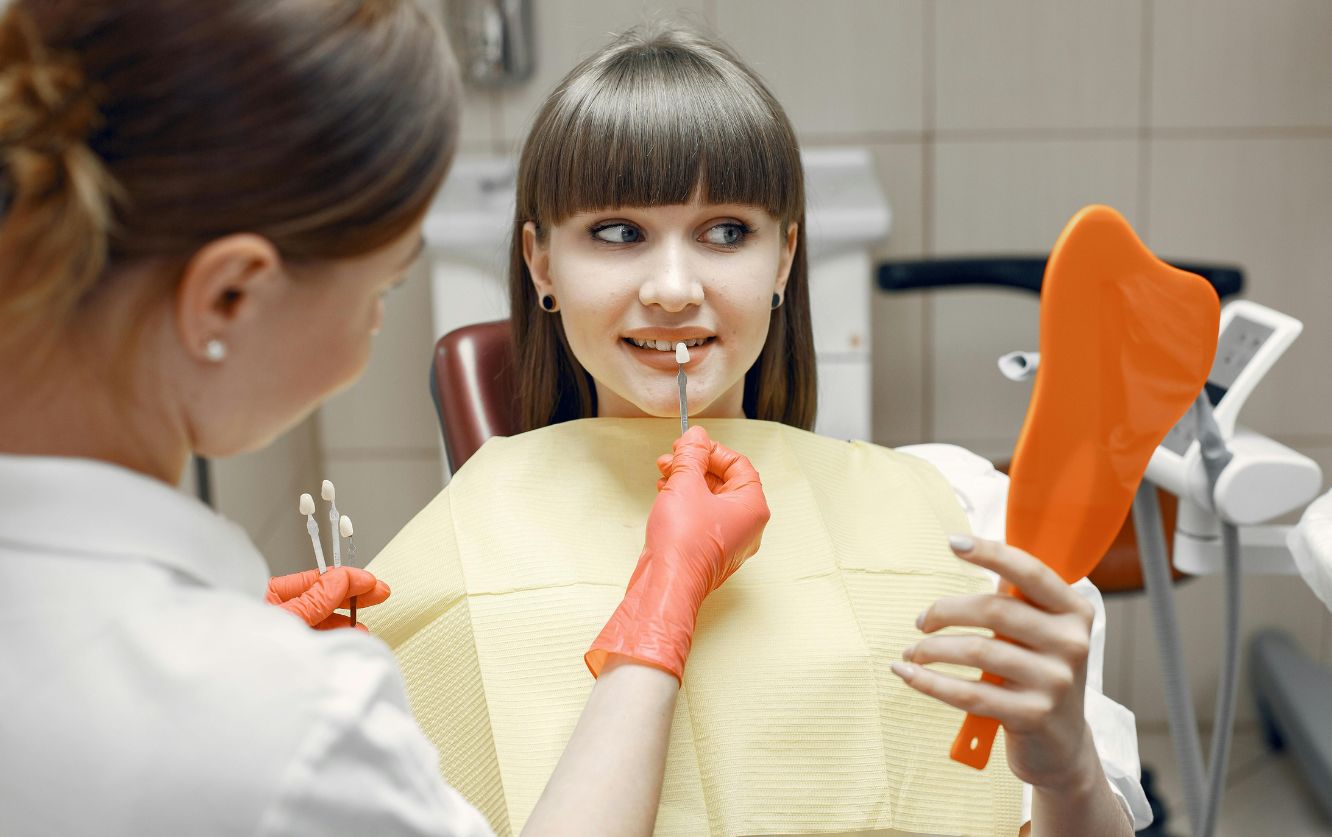
That’s how Carla found herself at Tiny Tooth Co., watching Dr. Sarah gently examine her daughter’s molar with a tiny mirror and a reassuring smile.
The Real Halloween Scare
%202.jpg)
Dr. Sarah explained what most parents dread hearing: the Halloween cavity. It wasn’t unusual—October through December is what many pediatric dentists call “candy season,” when sugar intake quietly spikes and brushing routines get rushed.
But what surprised Carla wasn’t just that Mia had a cavity—it was how quickly it had formed.
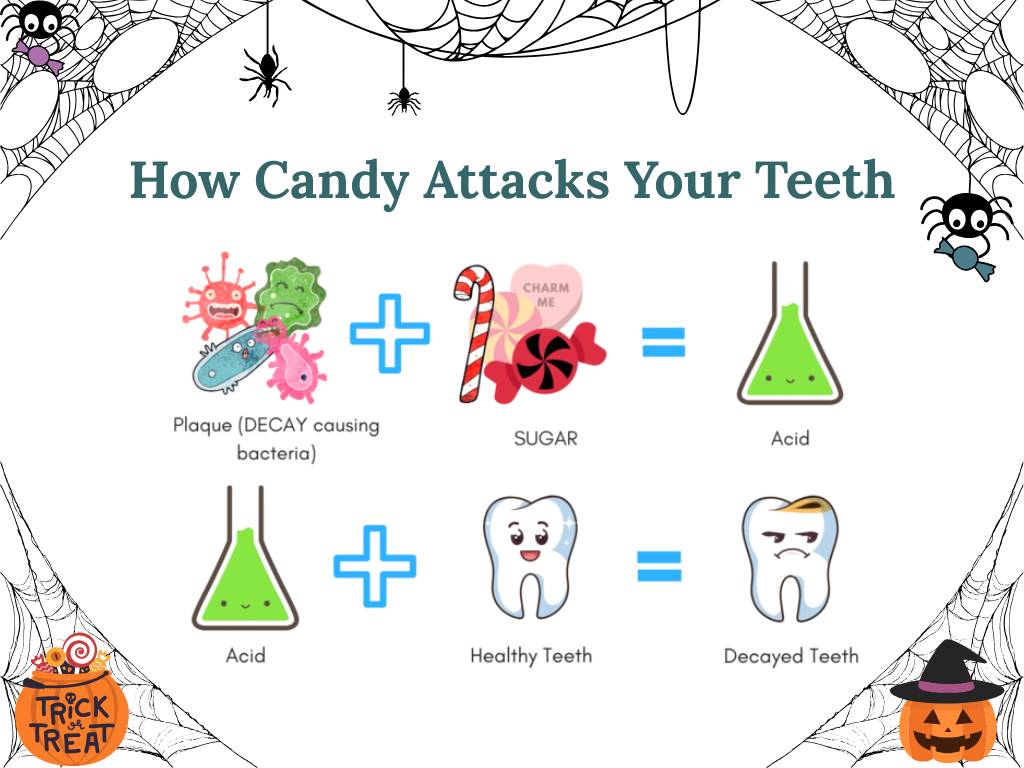
“Sugar itself isn’t the villain,” Dr. Sarah explained, turning the screen toward them. “It’s the time sugar spends on the teeth that matters. Bacteria feed on it and create acid, which starts softening enamel within minutes.”
Carla frowned. “So all those little bites throughout the day…?”
Dr. Sarah nodded. “Exactly. A candy here, a lollipop there—it keeps the mouth in an acid cycle all day long.”
The Science Behind the Sweetness
Most parents assume cavities appear slowly, over months or even years. But pediatric enamel is thinner than adult enamel—meaning damage can happen fast.
Sticky, chewy candies are the biggest culprits because they cling to grooves and between teeth. Hard candies extend sugar exposure with every minute they dissolve. Even seemingly harmless gummies and fruit snacks can be stealthy offenders.
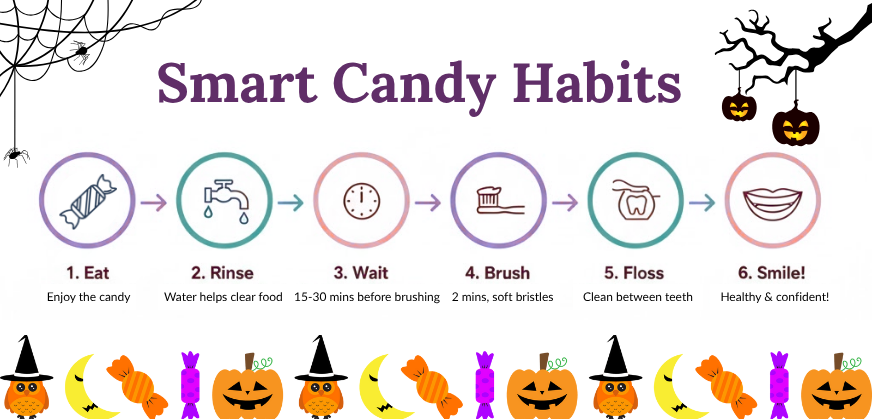
Dr. Sarah shared something else that resonated: “Your child’s teeth are like a playground—strong, but they need breaks between rides. Water rinses and brushing are like the cleanup crew that resets everything before the next round.”
Carla laughed, but it clicked.
How Mia’s Visit Became a Lesson
Mia needed a small tooth-colored filling—a quick, simple procedure. But the visit became much more than treatment.
Dr. Sarah showed Mia her “sugar bugs” on the screen, explaining how they “throw tiny parties” every time she snacks without brushing. Mia giggled, and suddenly the fear of the dentist turned into curiosity.
As the visit wrapped up, Dr. Sarah handed Mia a new toothbrush and a sticker that said Cavity Crusher. Carla felt relief wash over her.
“Next Halloween,” she said, “we’ll have a better plan.”




.png)
.gif)
.webp)
