
Expert dental tips, news, and smile advice
When Do Babies Start Teething And How Parents Know It’s Happening
February 4, 2026
By Admin
The Night Emma Realized Something Was Changing
Emma still remembers the exact moment she knew something was off. It was 2:14 a.m., the glow of the baby monitor lighting up her phone, and her usually peaceful six-month-old, Noah, was wide awake, red-cheeked, and furious. He wasn’t hungry. He wasn’t wet. He just kept chewing on his sleeve like it had personally offended him.
As Emma rocked him, she felt it, a tiny ridge under her finger, barely there but unmistakable. Her heart raced. Is this teething? Already? Is he in pain? Am I missing something?
If you’ve ever found yourself Googling “when do babies start teething” in the middle of the night, clutching a sleepy baby who suddenly seems uncomfortable in their own body, you’re not alone. Teething is one of the first big developmental milestones that reminds parents just how fast everything changes.

What Teething Really Is, Beneath The Surface
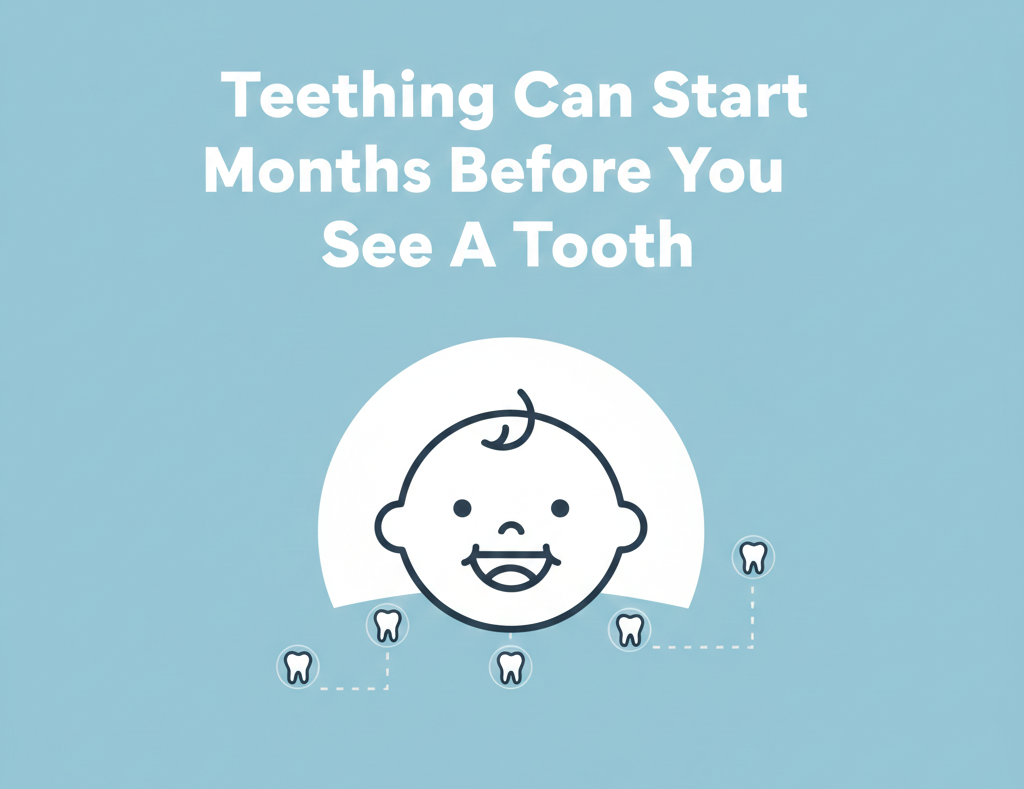
Teething sounds simple, teeth come in, baby drools, life moves on. But under the gums, it’s more like a slow-moving construction project. Long before you see a tooth, your baby’s body has already started the work.
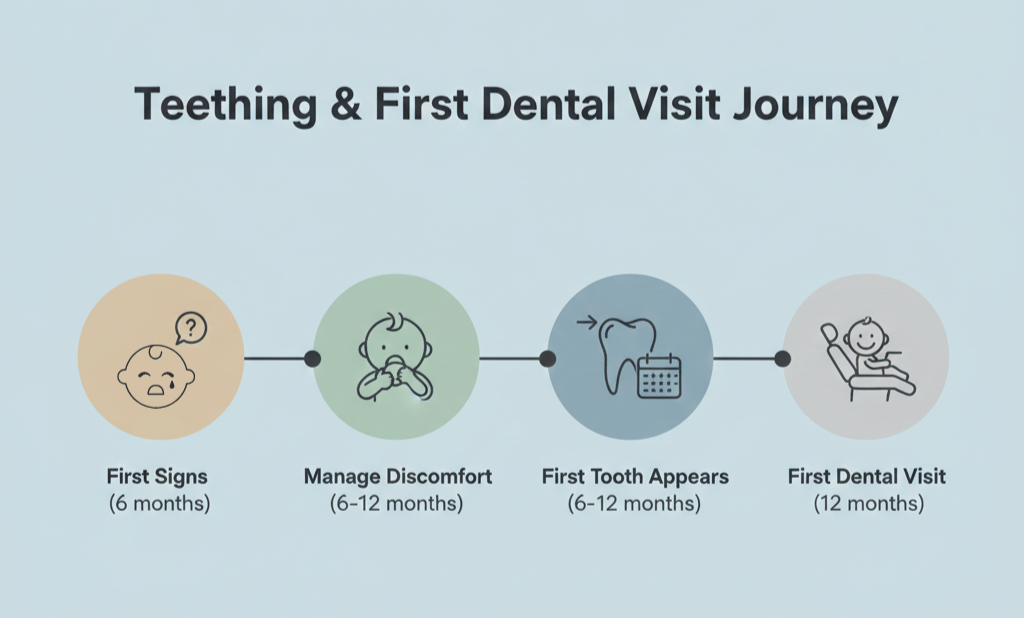
Most babies start teething between 4 and 7 months, but the timeline is famously unpredictable. Some babies show signs as early as 3 months, while others wait until after their first birthday. And yes, both can be completely normal.
Think of teeth like guests waiting backstage. They’ve been there since before birth, just waiting for the right moment to step into the spotlight. As they move upward, they put pressure on the gums, which explains the swelling, tenderness, and general crankiness parents notice.
This is often when parents first ask about infant oral health exams, because even before teeth erupt, those gums matter more than you might think. A gentle check can help you understand what’s normal for your baby’s stage and what deserves a closer look. You can learn more about those early visits here.
The First Teeth, And Why They Almost Always Surprise You
Emma assumed teething would be obvious. Fever, nonstop crying, sleepless nights. What she didn’t expect was how subtle it started. A little extra drool. A sudden fascination with biting toys. A baby who went from smiling during diaper changes to glaring like she’d betrayed him.
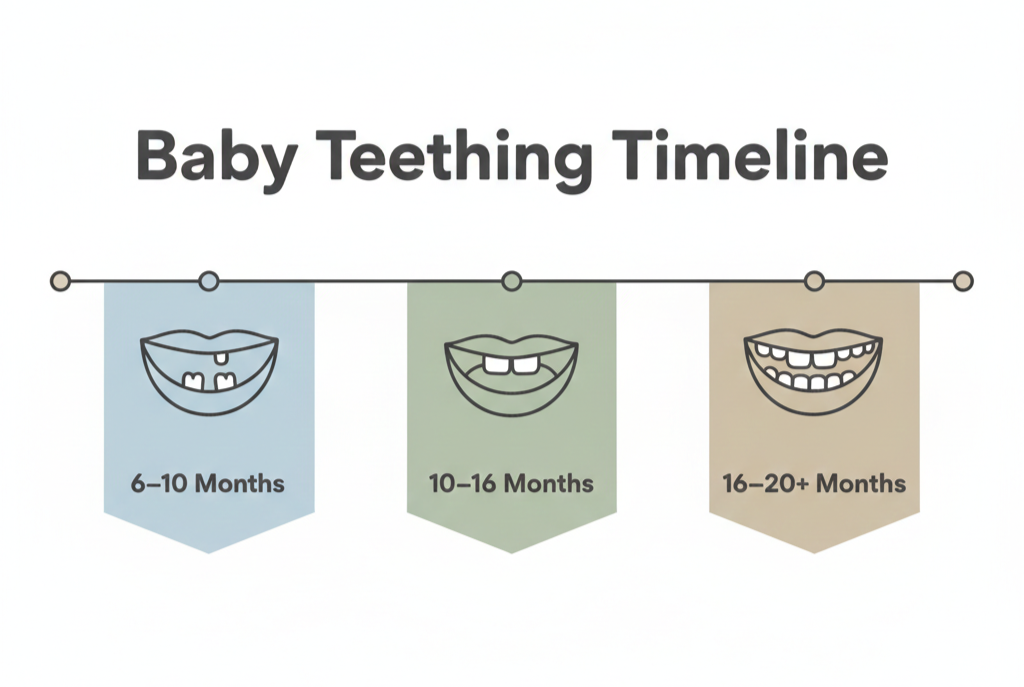
Usually, the lower front teeth appear first, followed by the upper front teeth. These are called incisors, and they tend to show up between 6 and 10 months. Molars and canines take their time, sometimes not arriving until toddlerhood.
Here’s the surprising part. Symptoms don’t always match eruption timing. Babies can be miserable weeks before a tooth breaks through, then perfectly happy once it does. Or they might cut a tooth with barely a whimper, leaving parents wondering what all the fuss was about online.
That unpredictability is why pediatric dentists often say your baby’s behavior matters more than the calendar.
Signs Parents Notice Before Anyone Mentions Teeth
Emma started connecting dots she hadn’t even realized were dots. The soaked bibs. The refusal to nurse on one side. The sudden interest in gnawing on wooden toys, silicone spoons, and honestly, anything within reach.
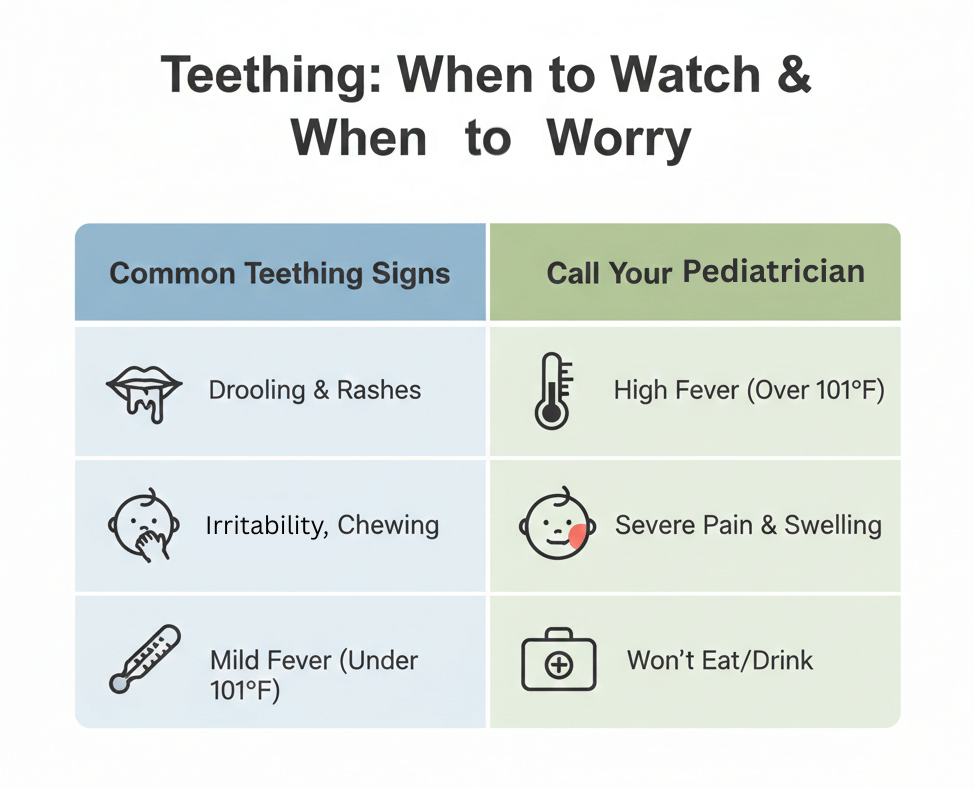
Common teething symptoms include increased drooling, swollen gums, irritability, disrupted sleep, and chewing behaviors. Some babies also tug at their ears or rub their cheeks, which can feel alarming if you’re worried about ear infections.
Here’s what surprises many parents. Teething does not typically cause high fever, diarrhea, or severe illness. If your baby seems truly unwell, that’s your cue to pause the teething assumption and talk with a healthcare provider.
Understanding what’s normal versus what’s coincidental can save you a lot of unnecessary stress.
A Gentle Nudge If You’re In That Googling Phase
Ready to Transform Your Smile?
A pediatric dental visit doesn’t mean something is wrong. It means you’re proactive, curious, and invested in your child’s long-term health. If you’d like a team that understands teething, development, and parent worries without judgment, scheduling a visit can be a reassuring next step.
Discover the best solution for your smile at Tiny Tooth Company. Schedule your appointment now and let our expert team guide you to a confident, healthy smile.
The Emotional Side Parents Don’t Talk About Enough
Emma felt guilty for being frustrated. Noah was uncomfortable, but she was exhausted. She wondered if she was missing something, if she should be doing more, or if this was just what early parenthood looked like.
Here’s the truth most parents need to hear. Teething is hard on everyone. Babies feel discomfort they don’t understand, and parents carry the emotional weight of wanting to fix something that can’t be rushed.
This is often when families appreciate having a trusted pediatric dental home, not just for teeth, but for reassurance. At Tiny Tooth Co, Dr. Sarah Arafat approaches these early stages with empathy, education, and a deep understanding of both child development and parental anxiety. You can learn more about her philosophy here.

What Actually Helps When Babies Are Teething
Emma tried everything she saw online. Some things helped. Others did nothing. What made the biggest difference was understanding why certain strategies work.
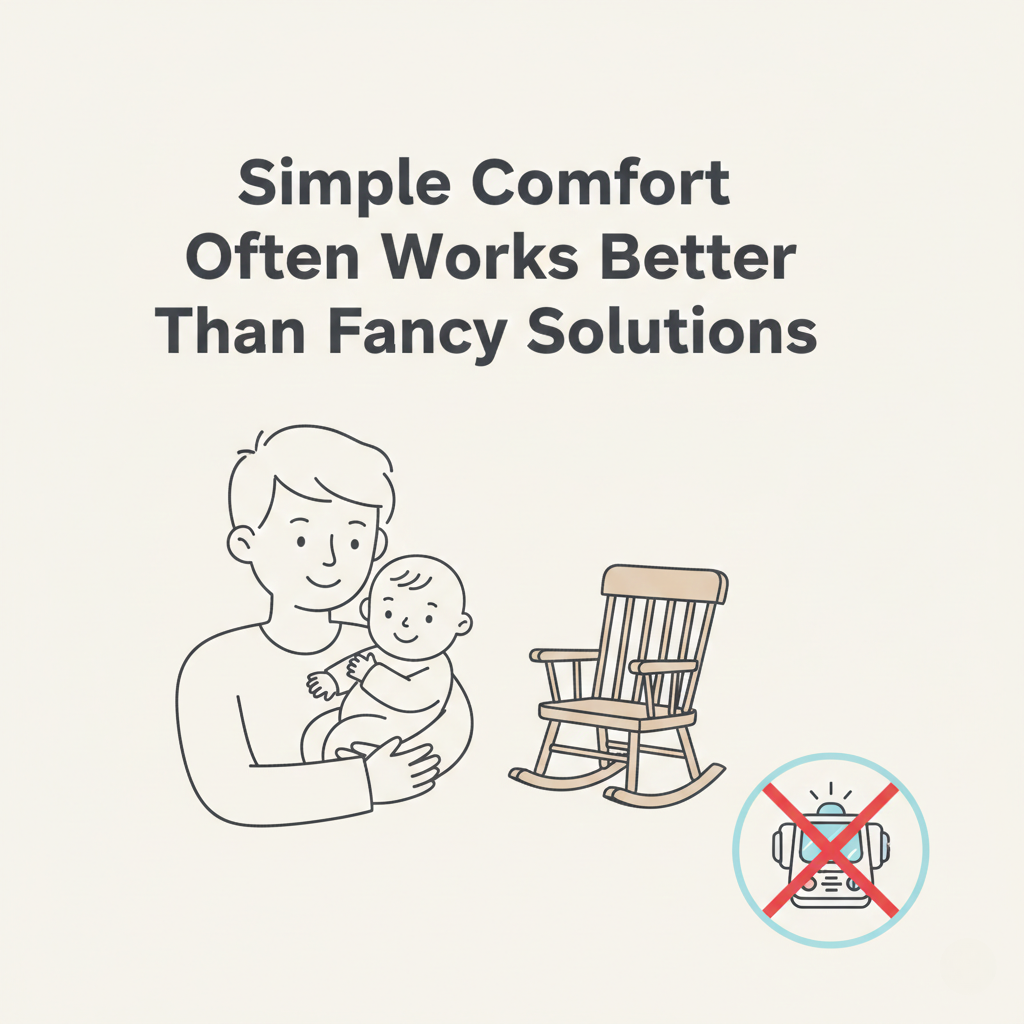
Cold pressure, like a chilled teething ring, reduces inflammation and temporarily numbs sore gums. Gentle gum massage gives counter-pressure, which can be surprisingly soothing. Keeping the area clean helps prevent irritation from bacteria feeding on excess drool.
Medications should always be discussed with your pediatrician, and topical numbing gels are generally discouraged. Your baby’s comfort matters, but so does safety.
This stage is also when oral habits begin forming. Wiping gums, even before teeth appear, sets the foundation for healthy routines later.
When Teething Overlaps With Dental Concerns
Around Noah’s first birthday, Emma noticed something else. One of his new teeth looked a little different. She worried about cavities, even though he barely had teeth.
Early childhood cavities can develop faster than many parents realize, especially with frequent nighttime feeding or sugary liquids. This is why early dental visits are about prevention, not procedures. Cleanings, guidance, and monitoring go a long way in protecting those tiny teeth.
If concerns do come up later, services like gentle dental cleanings and dental fillings are available when appropriate, always with a child-focused approach.

The Moment Emma Felt Relief
At Noah’s first dental visit, Emma expected judgment. Instead, she felt understood. Dr. Arafat explained exactly where Noah was in his teething timeline, what to expect next, and how to spot problems early without panic.
Emma walked out lighter. She wasn’t behind. Her baby wasn’t broken. This was just part of growing. That reassurance stayed with her through every new tooth, every sleepless night, every milestone that followed.
That’s the quiet power of the right support at the right time.
Closing Thoughts For Parents In The Thick Of It
Teething is often the first reminder that parenting comes with uncertainty, patience, and a lot of learning on the fly. You’re doing better than you think. And with the right guidance, this stage can feel less overwhelming and more manageable.
If you ever need reassurance, answers, or a team that truly understands kids and parents alike, Tiny Tooth Co is here to walk that journey with you.
FAQ
When Do Babies Usually Start Teething?
Most babies start teething between 4 and 7 months, but anywhere from 3 months to 12 months can still be normal. Every baby follows their own timeline.
What Are The Earliest Signs Of Teething?
Drooling, chewing on objects, swollen gums, and increased fussiness are common early signs. Sleep disruption is also very common during teething phases.
Does Teething Cause Fever Or Diarrhea?
Mild temperature changes can happen, but high fever or ongoing diarrhea are not typical teething symptoms. If your baby seems sick, it’s important to check with a pediatrician.
When Should My Baby See A Pediatric Dentist?
The American Academy of Pediatric Dentistry recommends a first dental visit by age one or when the first tooth appears, whichever comes first.
How Can I Help My Baby Feel Better While Teething?
Cold teething rings, gentle gum massage, and maintaining oral hygiene can help. Always talk to your pediatrician before using medications.
Is Teething Painful For All Babies?
Some babies experience noticeable discomfort, while others barely react. Both experiences are completely normal.
Request An Appointment
Book an Appointment
Thank you! Your submission has been received!
Oops! Something went wrong while submitting the form.
Schedule your child’s dental appointment at Tiny Tooth in The Woodlands, led by Dr. Sarah Arafat! We specialize in pediatric dental care in a friendly environment. Schedule today for expert care and a healthy smile that lasts a lifetime!
.gif)
.webp)
